


< BACK TO BLOG MAIN PAGE
Travel Marketing Needs a Reset: How Brands Win Travelers in 2026
Market Trends

Travel Marketing Needs a Reset: How Brands Win Travelers in 2026

As traveler journeys grow longer, more complex and content-driven, brands must move beyond last-click thinking. In 2026, winning requires understanding motivation, activating across screens, and shaping decisions long before booking happens.

February 27, 2026
READING TIME: 10 MINUTES

Travel is no longer a break, it’s a statement

Travel has changed its role in people’s lives. It is no longer a pause from reality – it is part of how people define themselves. Experiences now matter more than things, and travel has become one of the strongest expressions of identity, freedom, and personal meaning. 

This is not a soft cultural observation. It is a measurable shift in values. According to a Global Rescue survey, 77% of women and 55% of men say travel experiences matter more to them than material possessions1.

Driving this change is the pervasive “You Only Live Once” (YOLO) mindset, which has moved from a slogan to a decision-making driver. This attitude now directly influences the travel plans of 43% of travelers1, compelling them to seize the moment rather than postpone their ambitions. This new, experience-driven traveler is more engaged and committed than ever, but their journey from initial spark to final booking has become exponentially more complex. 

For brands, this changes everything. Selling destinations is no longer enough. The real competition is for relevance in a traveler’s life story.


blog_cover-1

The new path to purchase is long, messy, and content-heavy

Understanding the modern digital path to purchase is a strategic imperative. Travelers don’t move neatly from awareness to booking. They wander. They compare. They get inspired, distracted, reassured, and re-inspired – often multiple times. 

The latest data from Expedia Group quantifies just how intricate this journey has become:

  • Average consideration window: The journey from initial idea to final booking spans an average of 71 days, a period broken down into 33 days for inspiration and 38 days for active research and planning2.
  • Content consumption: During this period, a traveler spends an average of 303 minutes2 (more than five hours!) consuming travel-related content.
  • Digital footprint: Before making a purchase decision, a single person views an average of 141 web pages2.

Crucially, this journey begins with an open mind. According to Expedia Group, 59% of travelers2 do not have a specific destination in mind when they first decide they want to travel. They are seeking inspiration, and their influences are diversifying rapidly. In a notable shift, entertainment media now plays a more significant role than dedicated social platforms. The Unpack ’24 report reveals that TV shows now influence travel decisions more than Instagram and TikTok3, a testament to the power of compelling storytelling in sparking wanderlust.

The implication is clear: if you only show up when someone is “ready to book,” you’ve already lost.

Stop marketing to travelers like it’s 2015

Here’s the uncomfortable truth: most travel brands are still optimized for a traveler that no longer exists. Many brands still rely on demographic targeting and third-party segments to reach a traveler who is driven by purpose, mood, and context. This reliance on legacy targeting not only misses the mark but actively undermines campaign effectiveness in the modern digital ecosystem.

The ultimate consequence of this disconnect is a failure to understand true travel motivation. Targeting a “35-year-old from New York interested in travel” tells you nothing about intent. That person could be:

  • a luxury seeker,
  • a solo explorer,
  • a wellness traveler,
  • or someone combining work and leisure.

These individuals have vastly different needs, respond to different messages, and are found in different digital contexts.

Three pillars for growth in travel marketing

Overcoming these challenges requires a new strategic framework designed for the realities of today’s travel landscape.

To succeed in this new era, travel brands must adopt a more intelligent and empathetic approach. What emerges from these shifts is a clear strategic framework built on three pillars. Together, they define how modern travel brands can stay relevant in a complex, experience-driven journey.


PILLAR 1: Understand your audience and target motivations

blog_cover-2

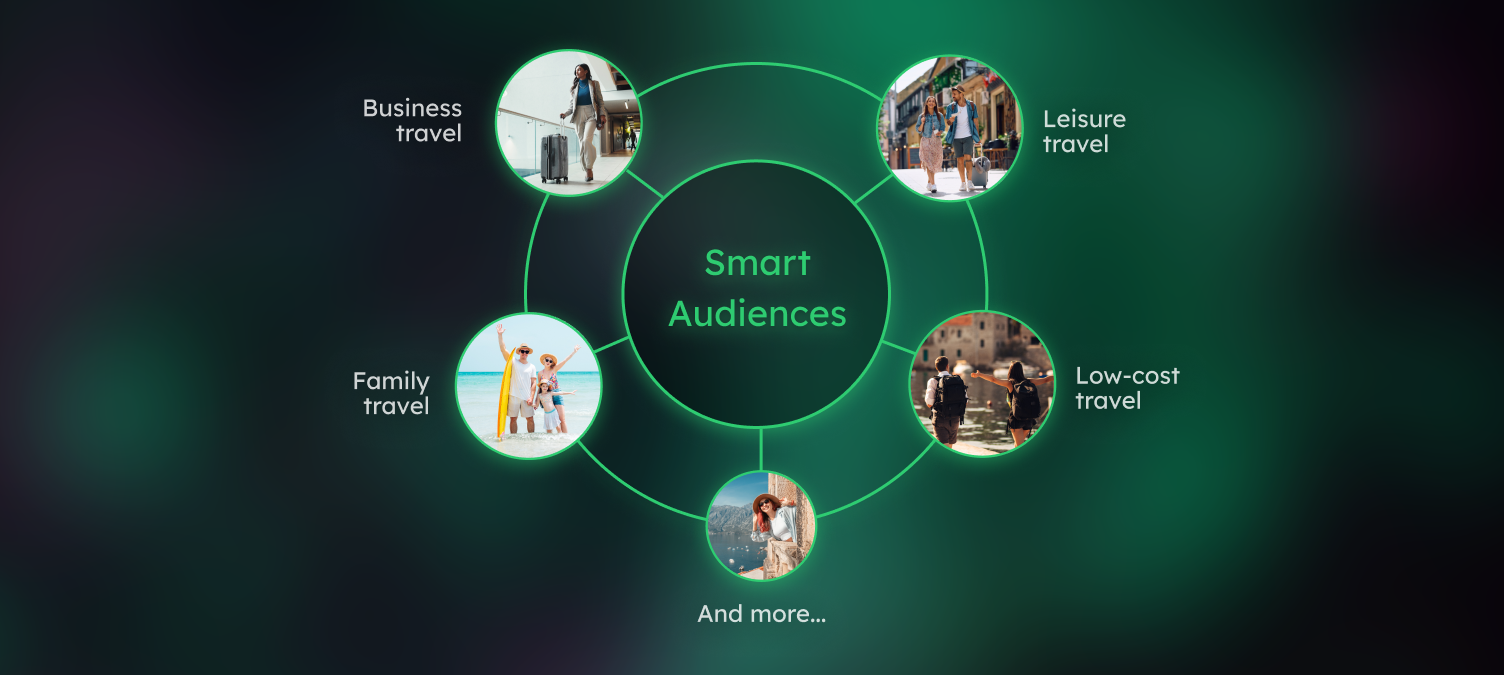
Winning brands stop asking who the traveler is and start understanding why they travel. Motivation-based targeting aligns messaging with intent.

The diversity of modern travel motivations is reflected in several powerful emerging trends, each representing a distinct and valuable audience segment:

  • Solo travel is a $482.5B market, with 42% growth in bookings over the past two years4, driven by women who represent 84% of solo travelers5
  • Sustainable travel is valued at $260.76B6, with millennials making up nearly 50%7 of this segment
  • Wellness tourism is expected to grow at 8.9% CAGR through 20338
  • Bleisure travel is a huge market, with 83% of business travelers report taking a bleisure trip in the past year9

To effectively reach these motivation-based segments, marketing technology must evolve. The imperative is to move beyond outdated profiles and embrace solutions capable of analyzing real-time content consumption at different moments of the traveler’s path. This allows brands to identify user interest and intent as they happen, making it possible to reach a “Relaxation Seeker” reading about spa retreats or an “Adventure Explorer” researching hiking trails at the very moment their interest is highest.

PILLAR 2: Build immersive, omnichannel experiences

blog_cover-4

In a fragmented media world, presence must be continuous, not episodic. 

An effective travel strategy connects inspiration, research, and conversion across screens, not in silos. This approach ensures that the brand remains a helpful and inspiring guide throughout their complex decision-making process.

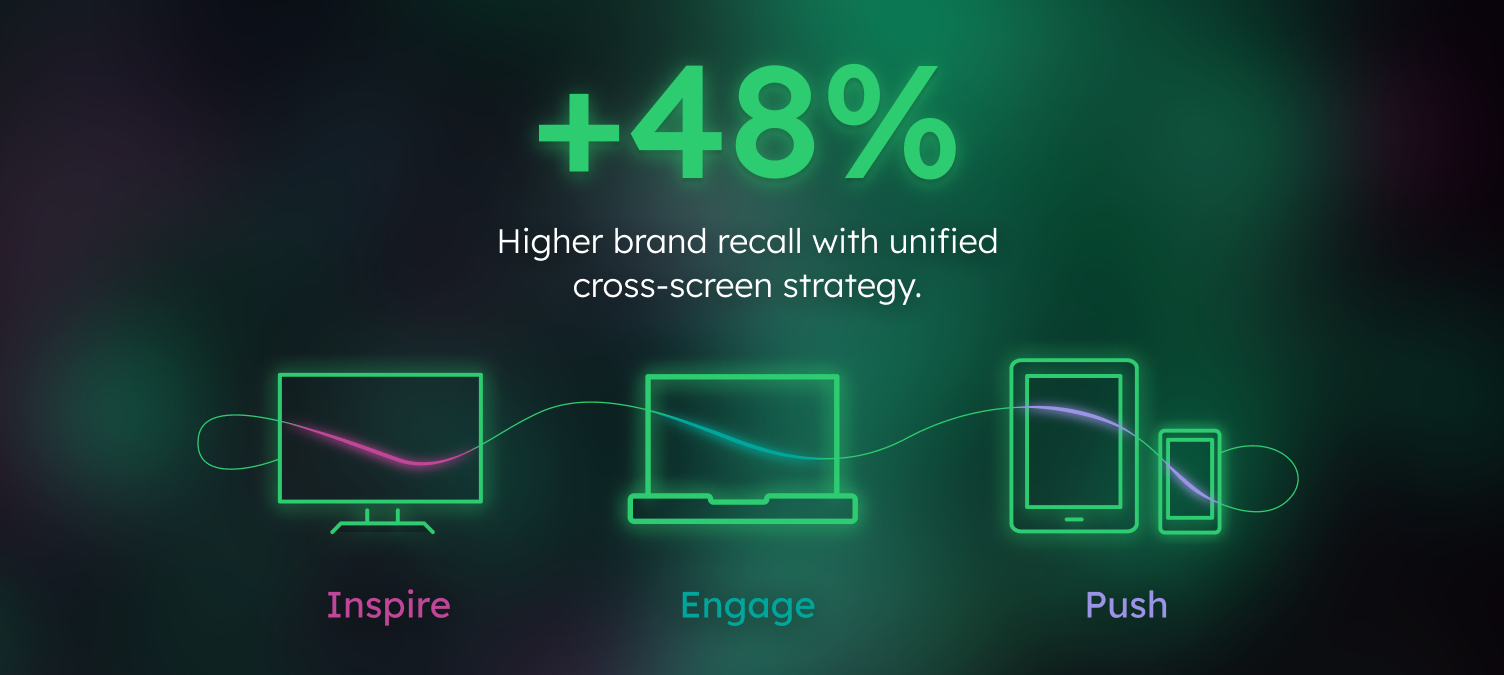
Combining platforms creates a powerful synergistic effect that drives significantly better results than siloed efforts. Data proves this conclusively: campaigns that combine CTV, desktop, and mobile achieve a +48% lift in brand recall and are +35% higher in purchase intent compared to single-platform campaigns10.

A successful omnichannel strategy leverages the unique strengths of different screens at different stages of the journey. High-attention channels and formats like Connected-TV and online video are ideal for sparking initial inspiration and building emotional connection at the top of the funnel. As travelers move into their research and planning phases, contextually relevant display and mobile ads can engage them with more specific information and offers, guiding them seamlessly toward a booking decision.

The goal is simple: be helpful everywhere the decision is being shaped.

PILLAR 3: Let creatives do the persuasion

blog_cover-3

In travel marketing, relevance beats repetition. Generic “Book Now” ads disappear into the noise while personalized, motivation-aware creative actually moves people. To capture attention and drive action, brands must deliver messaging that feels relevant and immediately useful to the traveler.

Personalization is no longer a luxury; it is a critical driver of conversion and loyalty. The data is unequivocal: 87% of travelers state they are more likely to do business with travel brands that offer personalized experiences – and advertisement is a part of the experience.

To unlock the potential, brands must invest in high-impact and dynamic creative formats. These advanced tools allow marketers to move beyond static messages and deliver tailored recommendations based on real-time signals. 

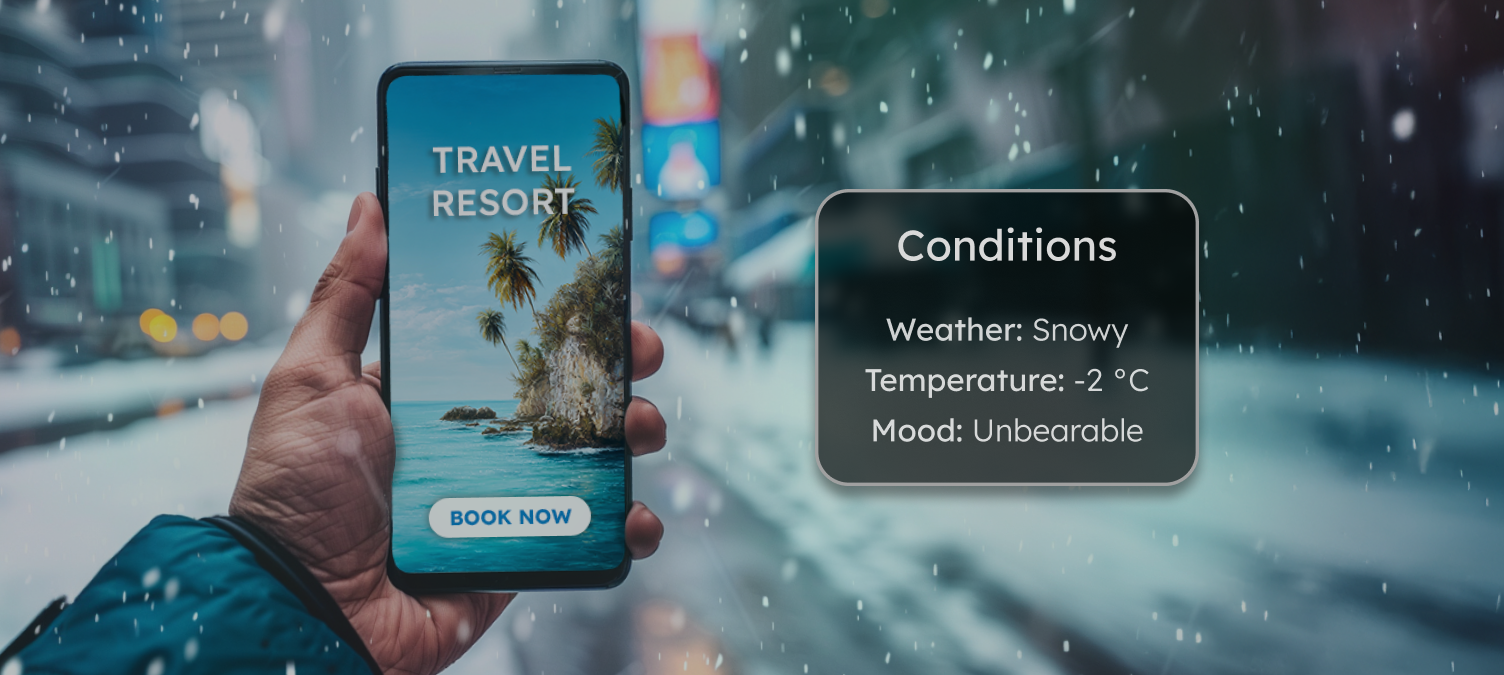
For example, an ad for a beach resort can dynamically display the current sunny weather forecast to a user in a colder climate, while a tour operator can serve ads highlighting specific hiking packages to a user who has just been reading articles about mountain trekking. This level of relevance transforms an advertisement from an interruption into a welcome piece of advice, powerfully influencing the traveler’s final decision. In travel, creativity is no longer about persuasion through frequency. It’s about relevance at the exact moment.

Conclusion

The world travels more than before, but not like before. The motivations, behaviors, and expectations of the modern traveler have shifted, and the marketing strategies used to reach them must evolve. Sticking to legacy tactics based on flawed data and outdated technology is no longer a viable path to growth.

Demographics won’t save you.
Generic creatives won’t save you.
Late-funnel obsession won’t save you.

Understanding why people travel – and meeting them there – will.

Success in this new era is not about simply being present at the point of a traveler’s journey. It is about becoming an essential partner – inspiring their dreams, understanding their motivations, and guiding them with relevant, valuable information every step of the way. The brands that thrive will be those that embrace complexity, leverage intelligent technology, and build authentic connections. The winners will be those who understand why people travel and build their marketing around that truth.