
Medium-Rare Metrics: The WPP–Publicis Beef and the Problem with Programmatic Transparency
The WPP–Publicis clash exposes a deeper programmatic crisis, highlighting the urgent need for transparent, client-led media quality…


Due to the complex and dynamic nature of the digital advertising ecosystem brand safety in News remains a major challenge for marketers. As the Voice of Marketer 2025 reports only 13% of them express high satisfaction with their current Open Web Brand Safety solutions and what is more 40% of them claim it will significantly impact their strategy next year.
This results in the emergence of the most simplistic tactic – to AVOID news context altogether. Some of the Brand Marketers are deciding to completely exclude News Context from their activities. The reason for that is understandable: Good filtering tools are scarce while news environments often cover polarizing topics such as politics, social issues, and crises. Such news could be potentially harmful for the brand image.
But are they in fact as risky as it seems?
Diversity of News Categories.
The blanket avoidance of news environments assumes that all news is controversial or harmful to a brand’s image. From our internal checks we know that the News category is responsible for approx. 15% to 20% of the whole, global inventory. It’s a huge opportunity for reaching valuable users from different age groups, education levels, interests and purchasing power.
Oversimplification disregards the nuanced, diverse nature of news content and this is why it is important to understand the intricacy of this environment. News websites are not limited only to controversial and shocking information. Within, we can identify subcategories as:
Having the basics understanding of complexity of News Websites we can move further. The Key Factors for Advertising in News ContextsThe most important elements behind News Context that we should consider are:
Trust is becoming a key challenge for brands – according to the Accenture Song study, 62% of consumers consider credibility and trust as crucial factors in making a purchase.
According to the IAB report, advertising within news content generally enhances or maintains consumer trust in brands. A significant 84% of news readers believe that ads within news either boost or preserve their trust in the advertised brands, while only 16% view such brands as “less trustworthy.” For most news consumers, advertising in this context has little to no impact on brand trust!
Interestingly, younger audiences aged 25-34 are 11% more likely than the average news audience to view brands advertising within sensitive news content positively. Additionally, 4 in 5 users report no negative feelings toward the reporter, news source, or advertiser, even when they personally disagree with the story.
While news organizations often address sensitive topics that could raise concerns for advertisers, audiences generally trust reputable outlets to handle such matters responsibly. However, this confidence can waver when content becomes overly graphic or is presented in a careless or irresponsible manner, making it essential for advertisers to carefully select their placement in news contexts.
Mastering Brand Safety
To reach engaged audiences and build credibility while minimizing risks associated with controversial content, advertisers must adopt a thoughtful and strategic approach.
Nowadays advanced contextual targeting helps place ads in appropriate, responsibly handled news content while steering clear of overly graphic or controversial stories that may erode consumer trust. Dynamic brand safety strategy allows advertisers to fine-tune their placements, minimizing risks and aligning ads with their values. Additionally, crafting universal messaging especially in sensitive contexts can ensure their communications resonate appropriately without appearing as funny or insensitive. From a broader perspective, regularly monitoring consumer sentiment is also crucial. Enabling advertisers to gauge audience responses and refine strategies where necessary.
More and more News publishers are using automated blocking of undesirable context through advanced AI semantic tools that go beyond simple keywords, enabling a more nuanced classification of articles. This is an amazing example and direction in which the market should develop and use the great potential of AI. But what is also interesting is that many publishers rely in parallel on dedicated editorial teams to tag content manually! Making sure brands can avoid sensitive topics while still targeting high-quality, relevant audiences.
The open web world is complex. This is why we think the most important for advertisers are strategic partnerships with companies which will guide them through the thicket of traps and challenges. Partnering with reputable tech and news organizations known for their professionalism, transparency and ethical reporting ensures brand marketers can align their communication with trusted platforms.
Is News a Quality Media Context? When considering and analyzing the News context, we realized it would be valuable to explore how ads are performing within this environment from a programmatic media perspective. One key aspect worth emphasizing is the scale of this research – it was based on billions of impressions we’ve generated in the first three quarters of 2024, rather than relying solely on feedback from survey respondents.
The goal was to find quality metrics and potential differences behind News vs Other Contexts. This analysis uses Adlook’s context AI tool to classify results per Context. We looked at the Attention, VCR and CTR on different formats at the global and country level from US, Mexico, Brazil, United Kingdom, Germany, France, Italy, Poland and few more…
The results? Based on over 2 billion impressions we’ve discovered that there are virtually NO drawbacks of news context, which performs equally well as other categories – sometimes even slightly better, because we can observe stronger impact on CTRs (picture below).

What could that mean? From an inventory perspective we know that premium News websites are not click farms and video news content is consumed very much the same as other types of videos. In case of attention, lack of differences is telling us that content coverage, ad clutter and proximity between ad slots are not built in a way that would outperform market standards, trying to generate higher revenue for publishers.
Additionally, the data spans a variety of global markets, indicating that the trend holds across diverse audiences and regions. This consistency underscores the universality of the news context’s effectiveness as a reliable advertising environment.
The Untapped Powerhouse for Awareness, Recall, and Sales
News contexts may not always command the same extended sessions as entertainment platforms, but the time spent is often more focused and purposeful. What is more, according to GWI research company, online press is most popular with 25 to 34 year-olds, who spend on average one hour and 24 minutes with this type of content each day! This makes it a prime environment for impactful advertising, as users are actively consuming information rather than passively scrolling.
A study conducted by Lumen Research revealed that advertising within traditional news content led to a 77% increase in brand recall compared to softer news topics. This is truly a stunning number in this highly saturated market!
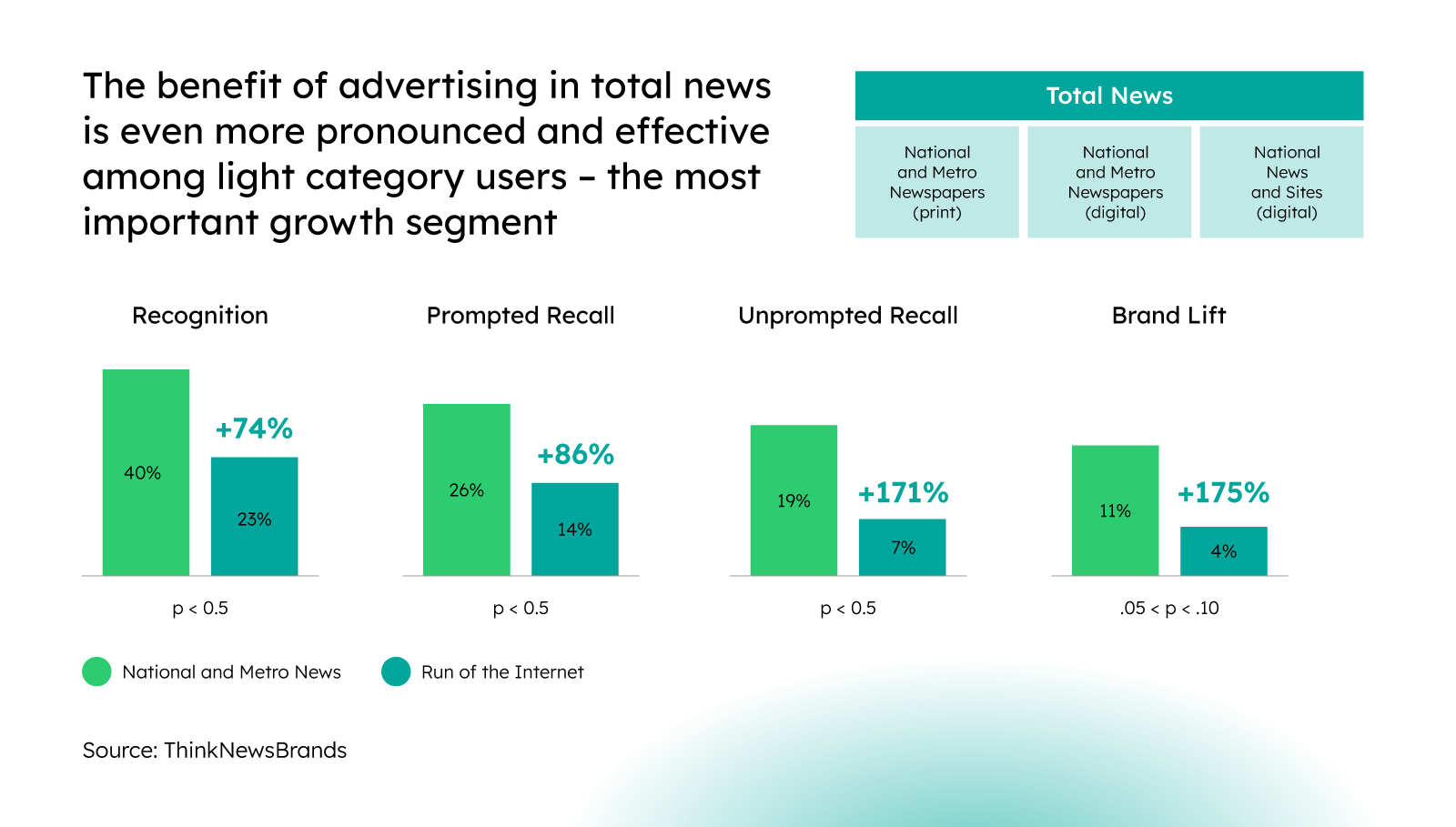
Australian media group ThinkNewsBrands, prepared a research titled Benchmark Series: The Powerful Impact of Placement, within which they explored how news platforms influence consumers’ purchasing journey, with a particular focus on memory retention, brand perception, and likelihood of purchase. It is showing that advertising in news websites can deliver superior sales impact, with brand lift +13%, compared to +9% for non-premium sites. When it comes to light category users, the impact on brand lift was also further enhanced at +11% for ads in new websites, versus +4% for non-premium content websites.
Recognition was 40% for ads placed in total news versus 23% for ads placed in the run of the internet; prompted recall was 26% versus 14%, while unprompted recall was 19% versus 7%.
“What we know about brand trust”, another WARC article, is pointing out that news can have a significant impact on key long-term business measures. As researches have shown, trusted news websites can enhance brand perception. Campaigns that use those environments are 74% more likely to drive market share and 58% more likely to deliver profit growth. Advertising in news also supports increases in pricing power.
We can observe such great numbers because the News context attracts individuals who actively seek high-quality content from sources they trust and value most. They demonstrate some of the highest levels of engagement, in result increasing the likelihood of message recall.
Those facts lead us to already mentioned, better Ad Recall and more actions taken towards brands. Based on IAB report “The News Trust Halo: How Advertising in News Benefits Brands”, News users are more likely to visit brand websites, search additional information about them, talk about the product and even recommend it to family and friends.
Building Future Proof Mechanism
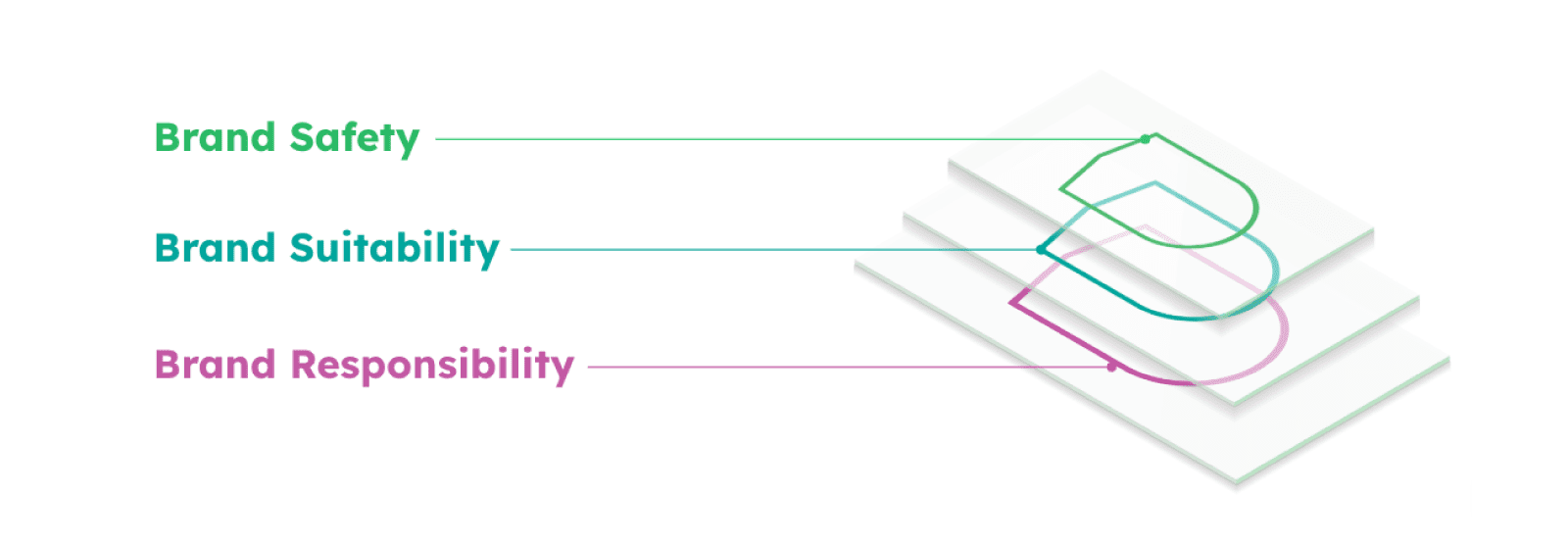
In an AdTech company we know that Brand Safety solutions are essential for brands who want to tap into the potential of the open web. This is why we have adopted and combined the Multi-Layer Brand Safety mechanism with proprietary solutions which ensure Client’s content is brand safe and brand suitable.
We use Context Artificial Intelligence to understand the broad context of each article, language use and its URL. Our solution uses a powerful contextual mechanism powered by Deep Learning, which not only eliminates obviously harmful keywords or context but also leverages natural language processing to understand and avoid exposing brands in inappropriate environments.
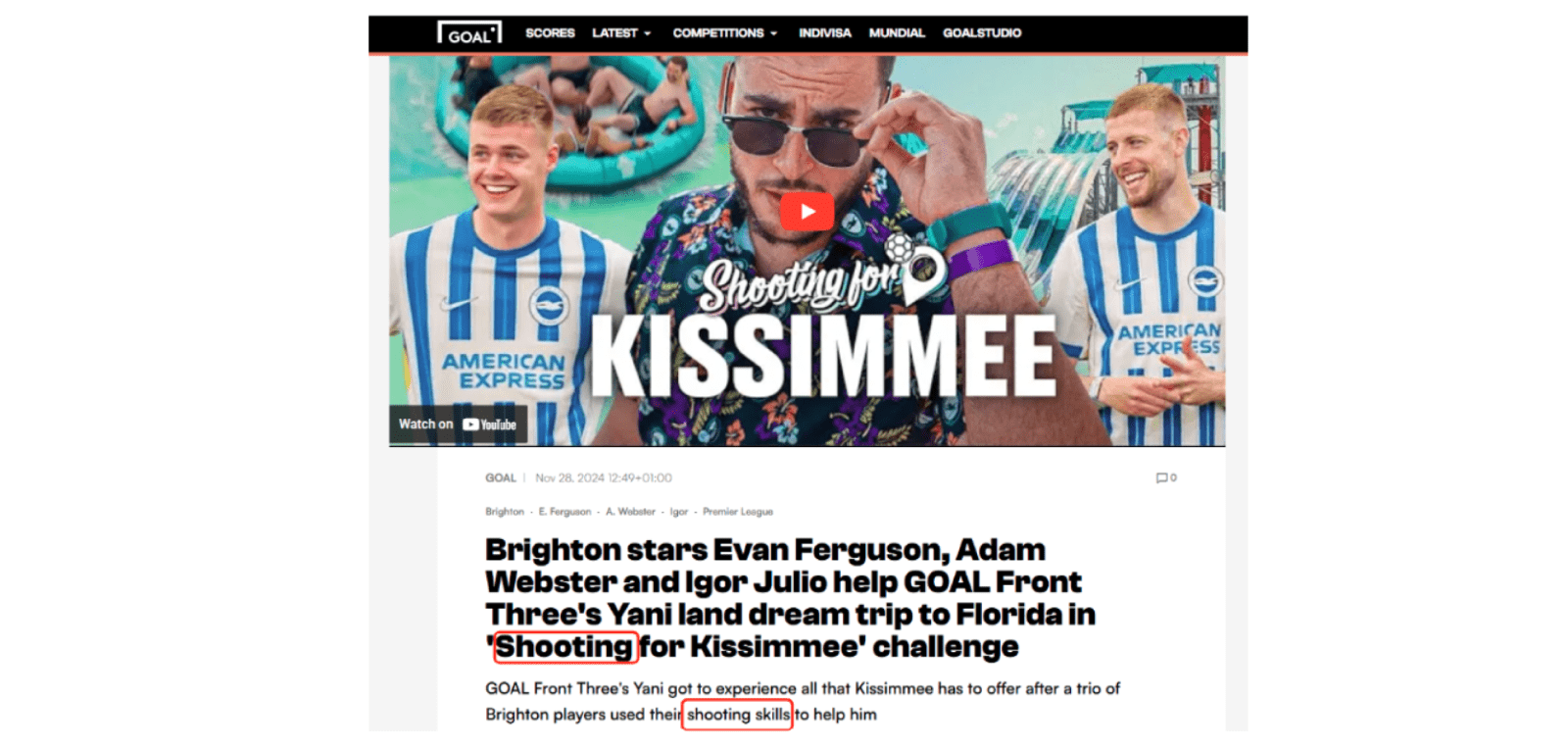
To give you an example: Adlook’s Brand Safety Mechanism can unblock a lot of articles inside sport content news – often containing keywords such as “shoot” or “attack”. Thanks to that we are gaining brand visibility for a valuable and engaged audience of sport fans. Especially important for FMCG brands.
Within the Multi-Layer Brand Safety Mechanism we can highlight:
For highly restricted categories such as alcoholic beverages, Adlook has developed a solution that ensures compliance with country-specific regulations at the platform level! This solution identifies suitable inventory and classifies each impression based on the product category. By leveraging this fully automated process we guarantee not only mentioned compliance but also spendings and delivery of best outcomes in sensitive categories.
Embrace the Challenge, Reap the Rewards
News platforms attract engaged audiences seeking timely, credible information, creating opportunities for brands to connect during moments of heightened attention. Avoiding this context oversimplifies the diversity of news, which includes positive and neutral stories such as innovation, human interest, and cultural content that align with brand values.
In the rapidly evolving digital landscape, brand safety remains a top priority for marketers and advertisers. However, the prevailing strategy of avoiding news contexts altogether to prevent association with potentially controversial or negative content is not only short-sighted but potentially detrimental to long-term brand growth.
By staying present and navigating news environments strategically, brands can capitalize on their unique strengths, driving meaningful engagement and credibility while ensuring their long-term growth.
Sources:
1. Adlook’s Internal Data
2. The Voice of the Marketer 2025
3. What we know about newsbrand effectiveness
4. From brand lift to memory recall: How news media boosts ad impact (WARC)
5. What we know about brand trust (WARC)
6. CMO Conversations: Bloomberg Media on growing news brands in volatile times (WARC)
8. IAB RESEARCH REPORT – The News Trust Halo: How Advertising in News Benefits Brands