

The digital advertising world has been abuzz with Google’s demise of third-party cookies. But let’s be honest – the real tragedy isn’t their death. It’s the fact that we ever trusted them in the first place.
Behind the scenes of programmatic advertising lies a crumbling infrastructure:
- Audience segments built on vague taxonomies
- User data that’s outdated, misclassified, or just plain wrong
- Billions spent on targeting tools that promised intelligence and delivered chaos
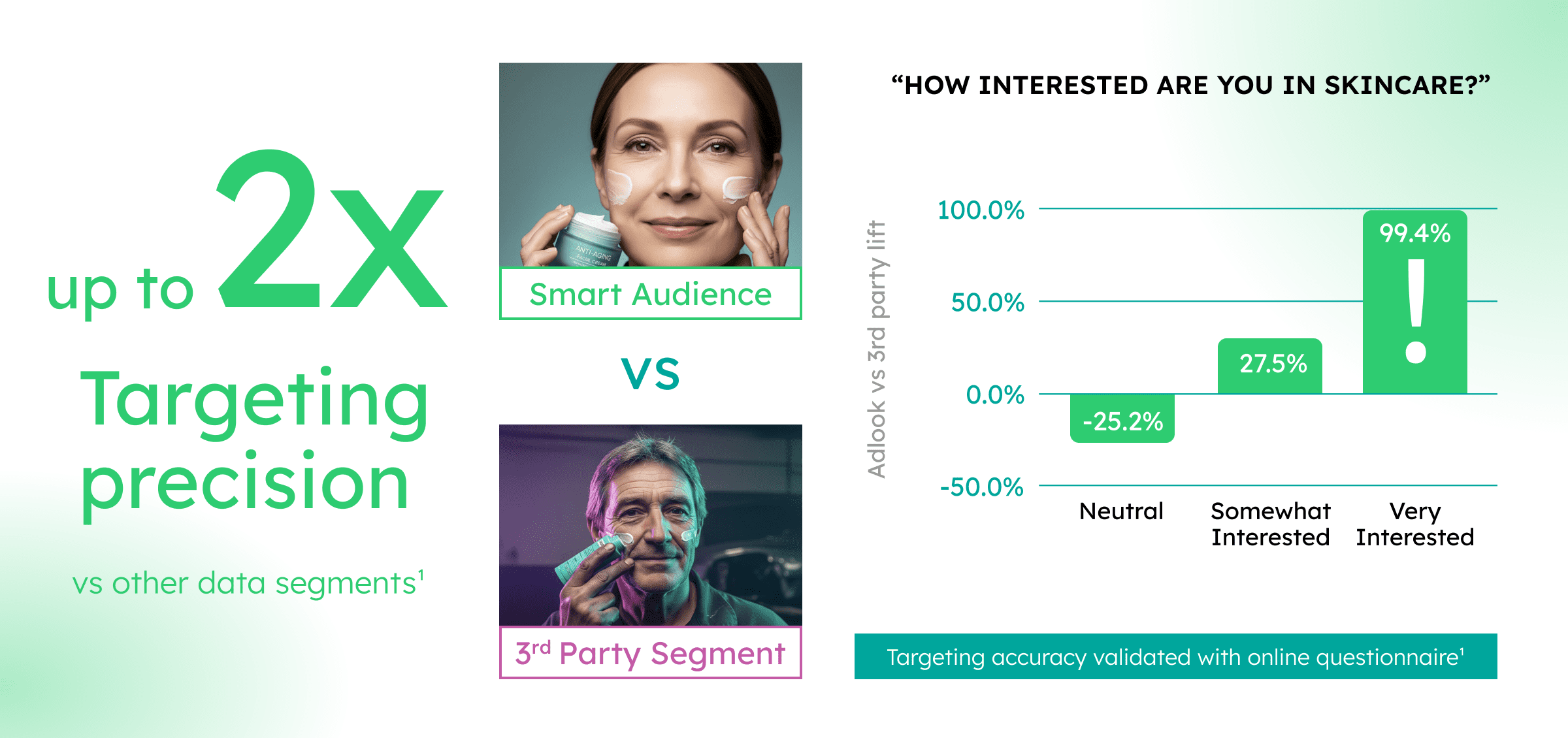
Consider this: in our internal study of third-party socio-demographic data, we compared cookie-based audience segments (like “Women 18-24” and “Parents”) against real survey results. The outcome?
- 82% of users tagged as “Women 18-24” are out of target
- 66% of users classified as “Parents” do not have children
Let that sink in: your campaigns – your budget – your creative strategy – are likely targeting the wrong people more often than not.
This isn’t just a data quality issue. It’s a strategic rot at the heart of programmatic advertising.
And the problem isn’t cookies. Cookies are just the messengers. The real problem is that the messages were junk. And the Open Web has been stuck targeting ghosts, shadows, and assumptions.
Which leads us to the big question:
What if we stopped trying to identify users, and instead started understanding them?
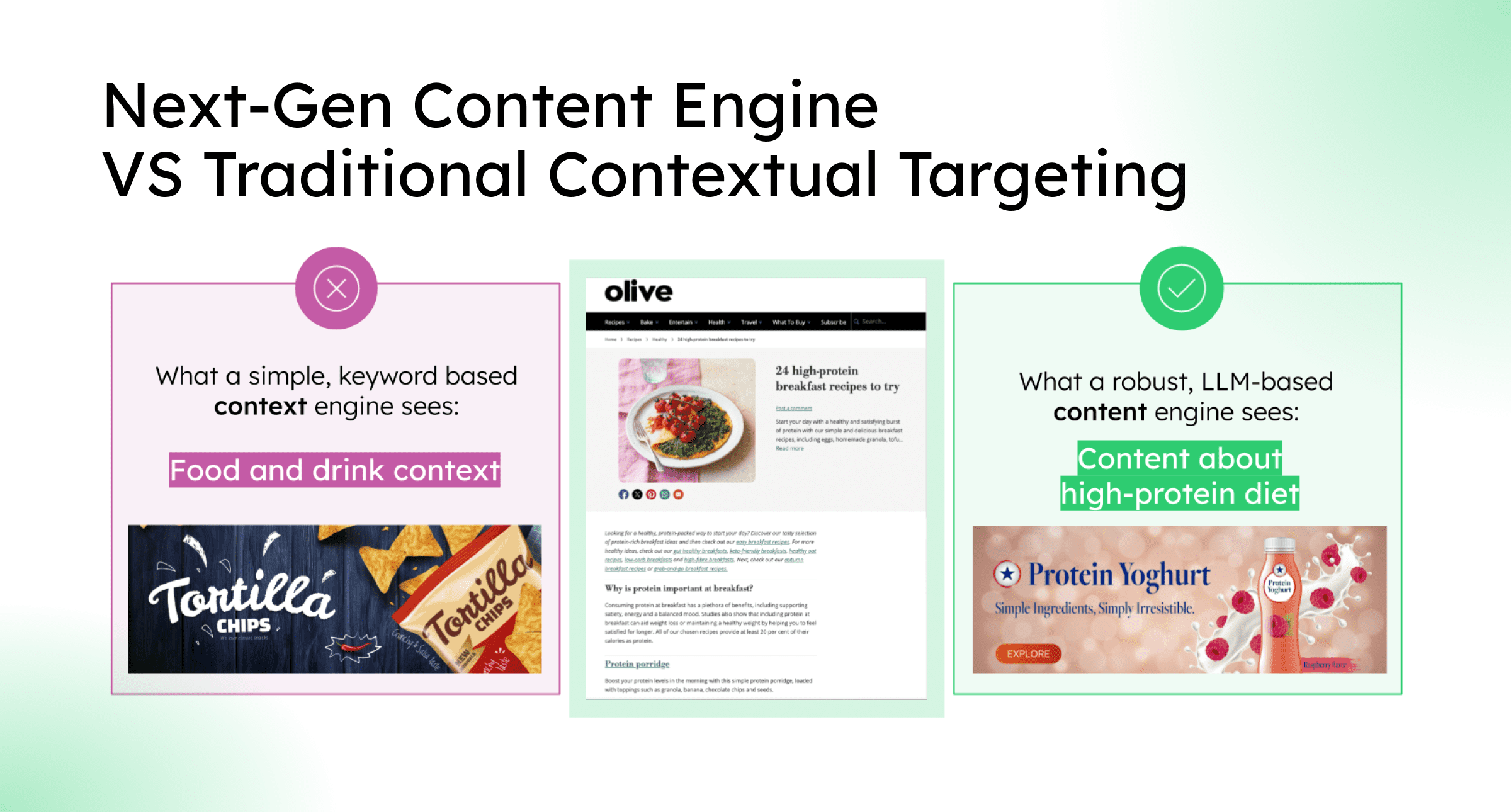
What if we stopped gluing together identity graphs and started decoding intent, interest, and emotion – straight from the content people are consuming?
That’s the promise of next-gen targeting solutions. Not built on synthetic behavioral models or probabilistic matching. But on observable behavior, contextual depth, and AI-powered precision.
So we set out to challenge this with a simple hypothesis:
“NextGen targeting solutions will outperform third-party segments – not just in theory, but in practice – because they are grounded in real, observable behavior and context, not stitched-together identities.”
And as you’ll see in the next sections. Not only is it possible, it’s already happening.